

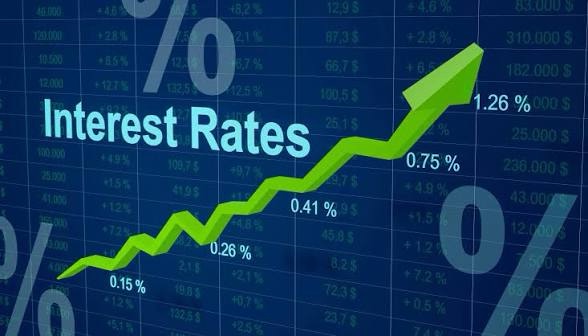
If you’ve seen headlines about the Federal Reserve changing interest rates, you’re not alone in wondering:
“Does this mean mortgage rates are going down?”
The short answer: not necessarily.
The longer (and more helpful) answer is below.
What Rate Did the Fed Actually Change?
When the Federal Reserve “changes rates,” they are adjusting the Federal Funds Rate. This is the overnight interest rate that banks charge each other for short-term lending.
👉 This rate does NOT directly control mortgage rates.
It mainly affects:
- Credit cards
- Home equity lines of credit (HELOCs)
- Auto loans
- Short-term business lending
So while it’s an important economic tool, it’s only one piece of a much bigger puzzle.
What Actually Determines Mortgage Rates?
Mortgage rates are primarily driven by the bond market, especially the 10-year Treasury and mortgage-backed securities (MBS).
Mortgage rates react to:
- Inflation expectations
- Jobs and wage reports
- Consumer confidence
- Global economic events
- Investor demand for bonds
In other words, mortgage rates are forward-looking, while the Fed is often reacting to data that already happened.
Why Mortgage Rates Sometimes Rise When the Fed Cuts
This is the part that surprises people.
If the Fed cuts rates but signals concerns about inflation, economic instability, or future risk, investors may:
- Sell bonds
- Demand higher returns
- Push mortgage rates up, not down
Markets move on expectations, not headlines.
Why the Media Headlines Can Be Misleading
Headlines often simplify things to grab attention:
“Fed Cuts Rates — Borrowing Gets Cheaper!”
That might be true for some loans, but mortgage rates don’t follow the Fed step-for-step.
Sometimes mortgage rates:
- Drop before a Fed announcement
- Stay flat after a change
- Move in the opposite direction entirely
That’s why waiting for the “next Fed move” can cost buyers and refinancers real money.
The Smarter Question to Ask
Instead of asking:
“What did the Fed do?”
A better question is:
“What is the bond market doing right now?”
And even better:
“Does this rate make sense for my personal situation?”
Bottom Line
- The Fed does not set mortgage rates
- Mortgage rates are driven by the bond market and investor expectations
- Headlines can be misleading
- Timing the market is risky
- Strategy matters more than predictions
If you’re thinking about buying, refinancing, or just want clarity in a noisy market, a conversation beats speculation every time.
 Pinmarkers